In Praise of Zoned Living
So, a mini rant, if you’ll allow. And I am writing this in praise of the zoned living that suits Tanyards so well, and to help prospective visitors understand—before they come—what this house is, and what it isn’t.
What we now call “open-plan” has become almost a default setting in modern renovation: remove the walls, merge kitchen–dining–living into a single bright space, and let everything be seen at once.
Part of the appeal is obvious. It feels sociable. Contemporary. It photographs beautifully—light floods in, surfaces shine, everything is instantly legible. And on the face of it, it suits the way many of us live today, where cooking is no longer hidden work but part of the gathering. For some houses—and some lives—that openness feels generous and bang on trend.
But it is not right for every house. Nor for every person. For some, it can feel less like a home and more like an aircraft hangar: vast, echoing, and oddly exposed.
It is almost a modern obsession: tearing down every boundary, as if separation is a design flaw. Doors and walls are erased in the name of “flow.” But do we really need our homes to behave like one continuous family space, bright from every angle? No privacy, no quiet corner to disappear with a book, nowhere for the day to taper off.
Not all homes want to be opened up. Some want to be explored, discovered. Settled into.
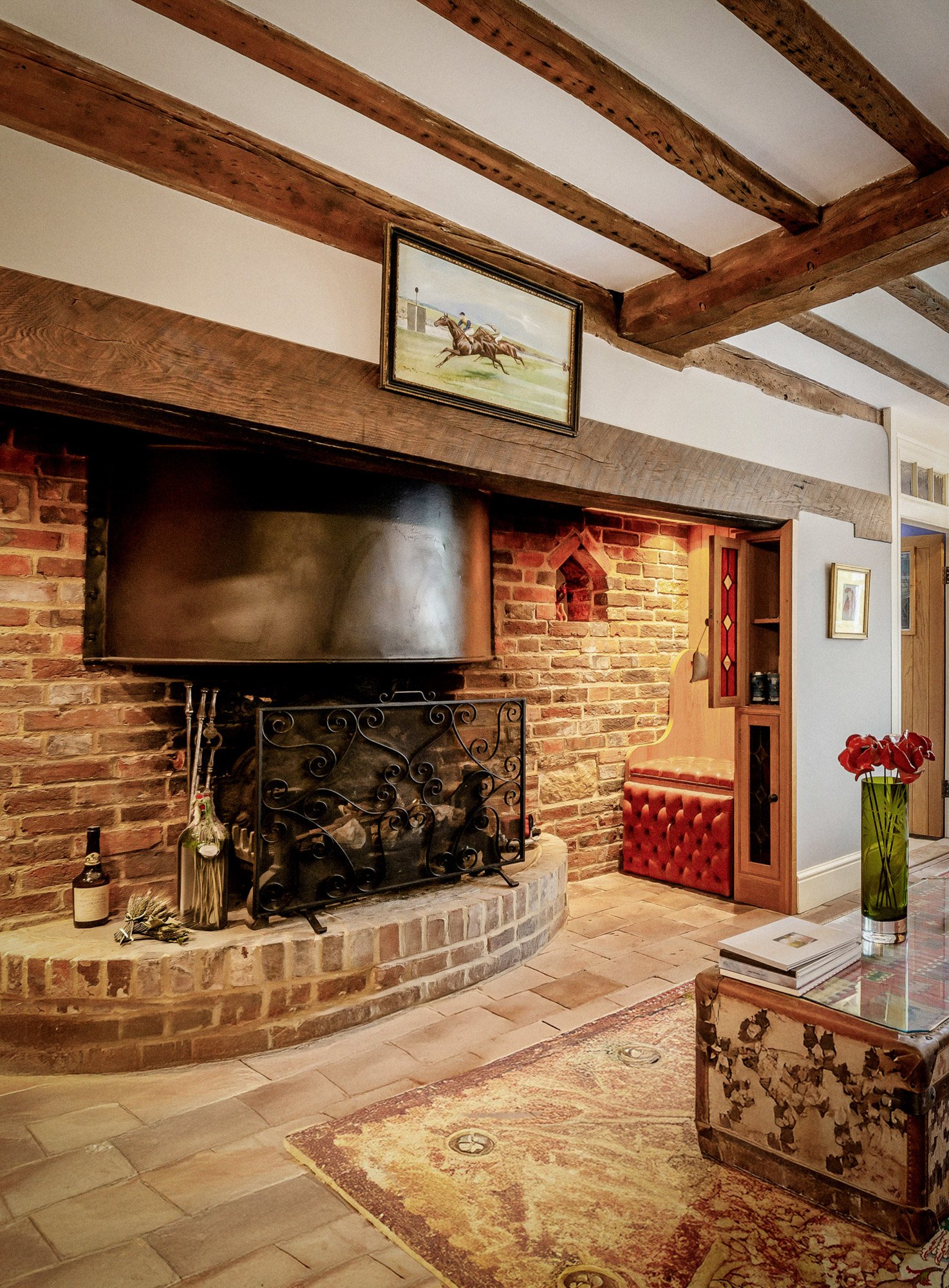
Inglenook Room
There is another way of living—more nuanced, more personal: rooms with purpose, spaces that hold different moods. A layout that understands that daily life is not one activity but many—overlapping, competing, changing throughout the day.
A hallway leads to a retreat.
A door becomes a buffer.
A smaller room becomes somewhere to disappear to.
Not because anyone is hiding, but because comfort often depends on the ability to withdraw a little when the need arises.
Old houses were built with thresholds and turns, with spaces that don’t reveal themselves all at once. Their architecture allows for rhythm: public to private, bright to dim, active to still. They unfold. Defined rooms create hierarchy—the feeling that some moments matter more than others; that not everything must be equally loud, equally visible, equally present.
For me, a home needs more than one ambience. I want separate spaces, different atmospheres. When everything happens in one large room, the sounds and demands of the day pile into a single shared space: cooking hums in the background, conversations echo, work insinuates itself into downtime, and the vestiges of the day’s clutter are constant.
Obviously, I say this as someone firmly on the side of zoned living—and as someone who has lived with both. Open-plan spaces have their wow factor, no doubt about it, but they’re not for me. Perfect, perhaps, for a stylish holiday in a sleek Dubai apartment—less so for everyday life.
Constant togetherness can begin to feel less like an invitation and more like an obligation: scrutinised, public, quietly exhausting. A domestic space that offers no possibility of withdrawal risks becoming an environment in which one is required to remain perpetually present.
I’d also argue that even entertaining benefits from separation. Conventional wisdom says open-plan makes a house sociable; in reality, comfort often comes from contrast: a room where people can talk without competing with the kitchen, a quieter space for those who drift away from the hub, a candle-lit snug, an elegant dining room. Atmosphere needs contrast.
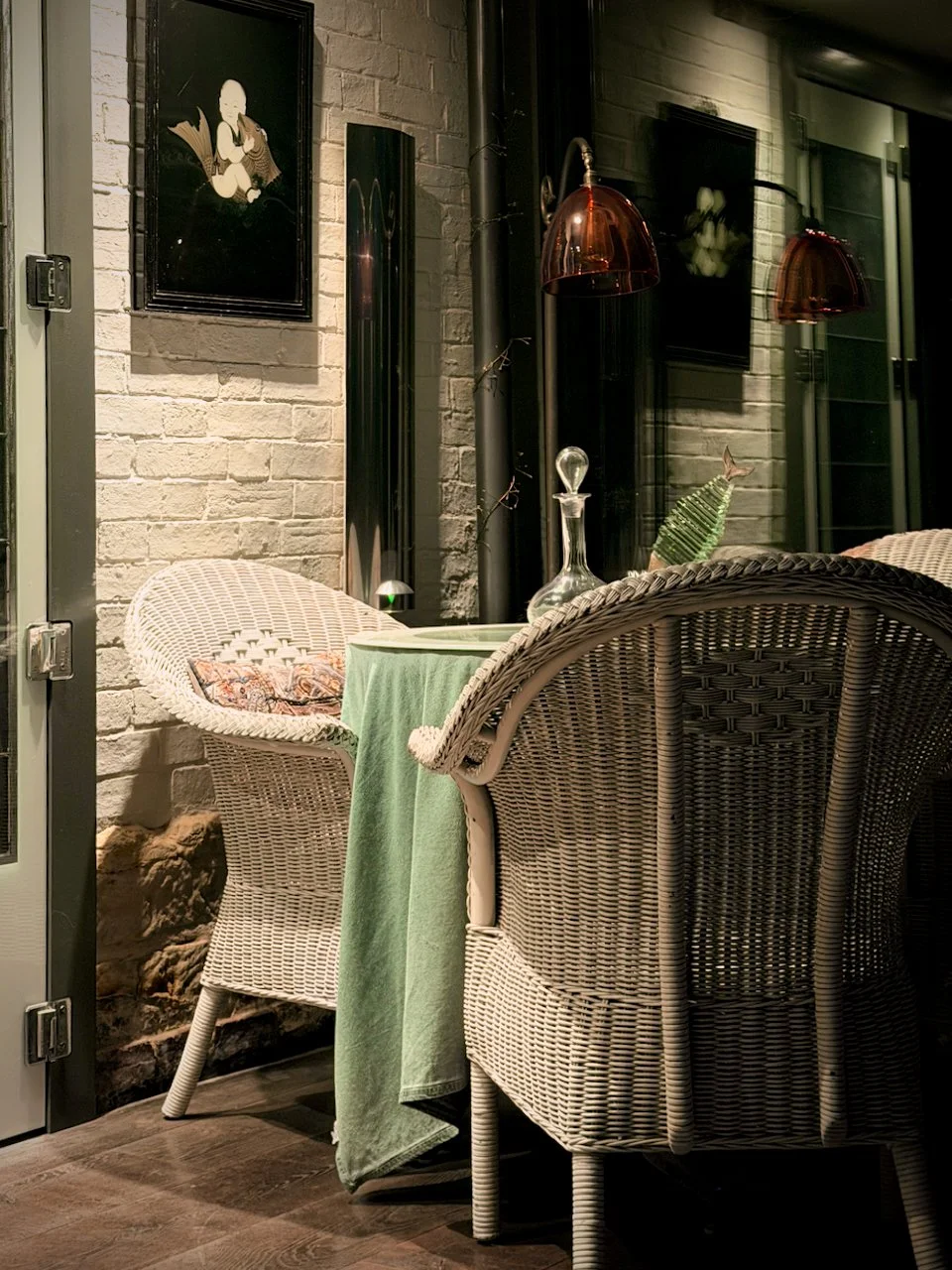
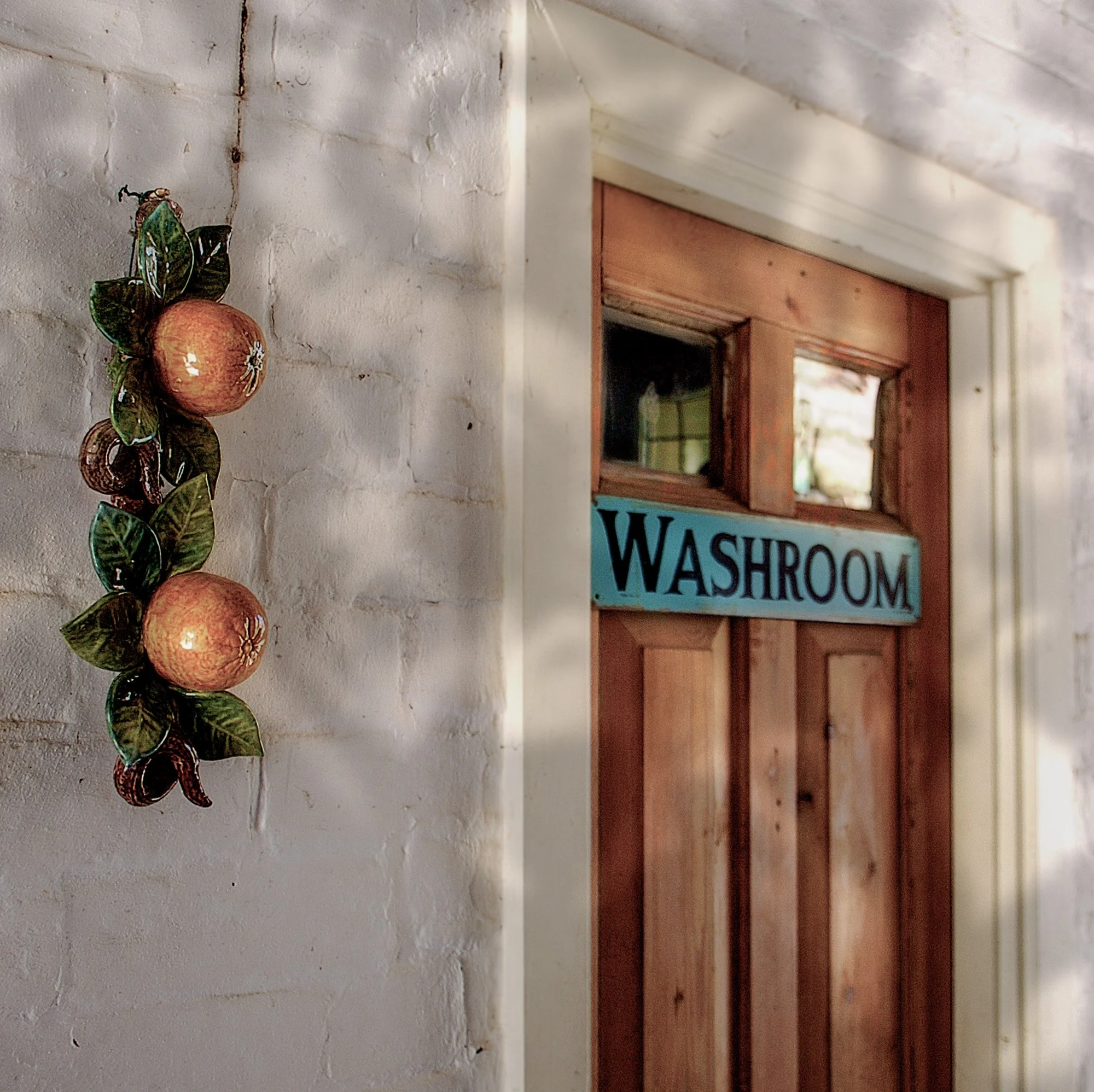
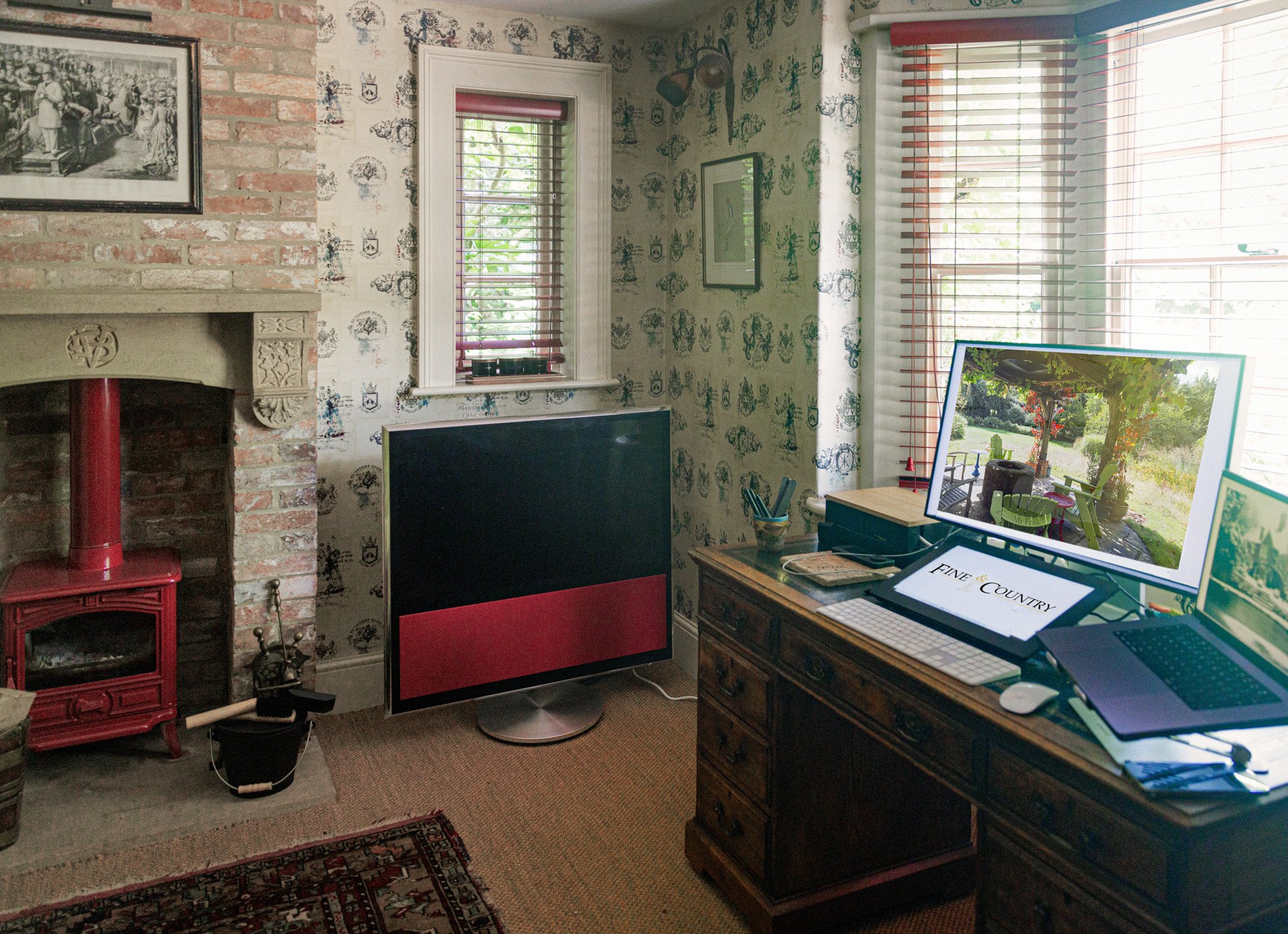
Everywhere we look we see modern renovations are driven by uniformity—tidying away irregularity, erasing nuance, forcing everything into one bright, usable, ever-visible space.
A home should hold more than one life at once. Space to gather—and space to retreat. Open-plan can feel wonderfully airy, but it comes with trade-offs: noise, smells, and the fact that large volumes can be harder to heat. Perfect for big gatherings—less great for peace and quiet.
Perhaps fashions are changing. The ideological way open-plan is treated as the answer to every house does seem to be receding. Separation is a choice, not a wall to be knocked through.
Another consequence of the open-plan default is that so many homes are being remodelled to look the same Identikit boxes in all their minimalist, colourless ubiquity pepper the landscape. Where is the charm? Where is the personality? The nooks and crannies that create the sense of mystery. That is what Tanyards has.